
How Often Should You Get a Haircut?
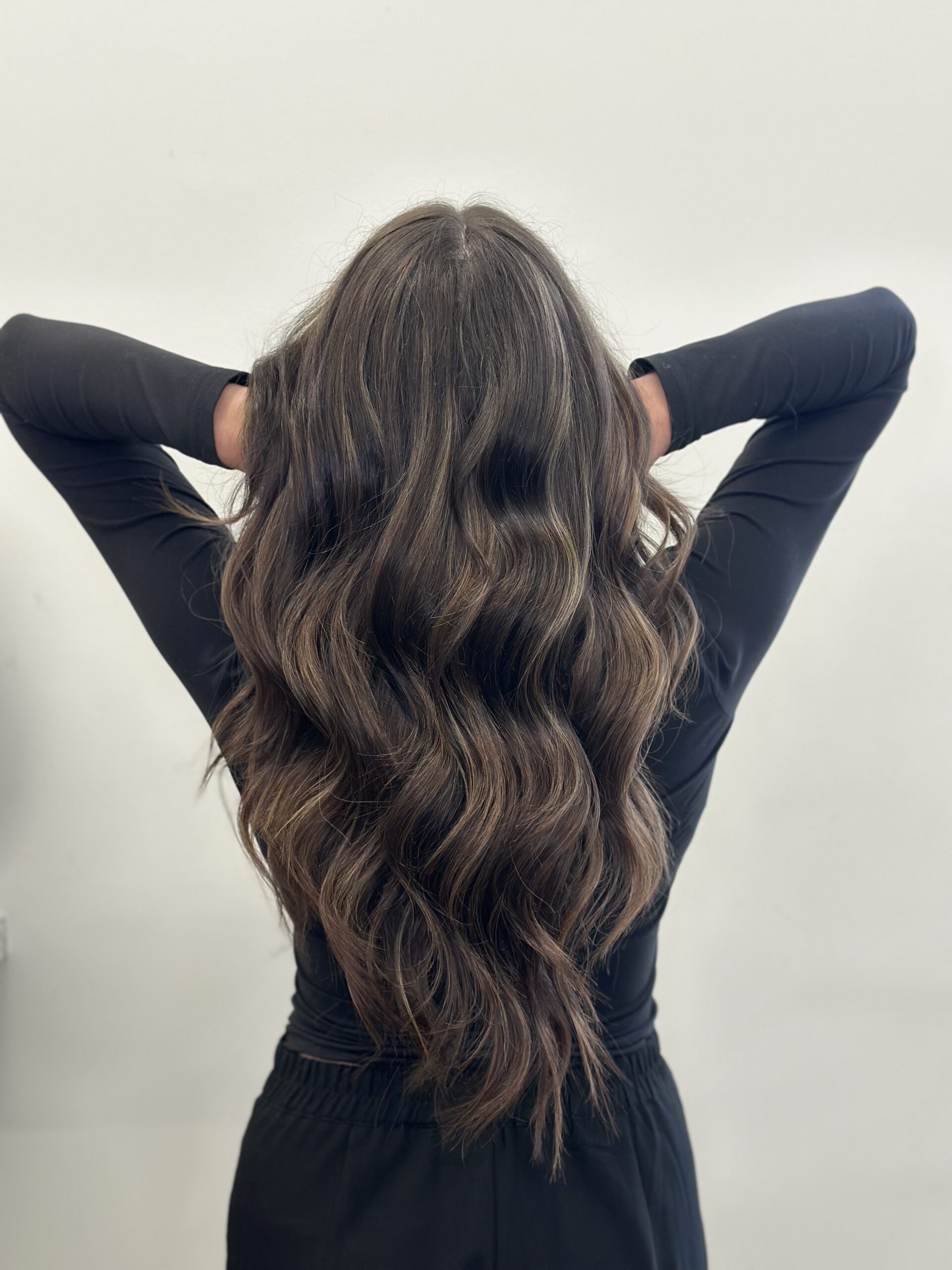
Your hair length, haircut shape, texture, density, styling habits, color services, condition of your ends, and even how polished you prefer your hairstyle to look can all affect how frequently you should schedule a trim or reshaping appointment.
For many people, a haircut every 6 to 12 weeks is a useful starting point. Shorter and more structured hairstyles often need attention sooner, while longer or intentionally low-maintenance cuts may be able to go several months between appointments.
At Salon FREDA in Novi, Michigan, we believe your haircut schedule should be personalized around your hair rather than dictated by an arbitrary number on the calendar.
If you are searching for a professional haircut in Novi, understanding how your hairstyle changes as it grows can help you know when it is really time to return to the salon.
The General Haircut Rule: About 6 to 12 Weeks
You've probably heard recommendations to get your hair cut every six weeks, eight weeks, or twelve weeks. None of those numbers is universally right or wrong.
For many hairstyles, somewhere between six and twelve weeks provides a reasonable maintenance window. That interval gives hair time to grow while allowing your stylist to refresh the shape before the haircut becomes noticeably overgrown.
But a precision bob and long blended layers will not grow out the same way. Neither will a pixie cut and waist-length hair.
The structure of your haircut matters just as much as the length.
Why There Is No Perfect Schedule for Everyone
Hair grows gradually, but the visual effect of that growth differs from person to person.
Someone with a highly structured haircut may notice half an inch of growth immediately because the outline changes. Someone with long, flowing layers may barely notice the same amount.
Your styling routine also matters. Frequent heat styling, lightening services, environmental exposure, and daily wear can affect the condition of your ends and influence when a trim becomes beneficial.
The best haircut schedule is the one that keeps your particular hairstyle looking and feeling the way you want it to.
How Often Should You Get a Haircut Based on Hair Length?
Your hair length is one of the easiest places to start when estimating how frequently you may want a haircut. These are general guidelines rather than strict rules, but they can help you understand what to expect.
Short Hair: About Every 4 to 6 Weeks
Short hair often requires the most frequent maintenance because small amounts of growth can make a large difference in the overall silhouette.
Pixie cuts, cropped styles, short bobs, precision cuts, and other structured hairstyles rely heavily on proportion. As the hair grows around the neckline, ears, crown, and face, those proportions gradually shift.
You may notice that the style feels heavier, loses volume in the areas where it once had lift, or becomes increasingly difficult to place.
A maintenance haircut approximately every four to six weeks can help preserve the intentional shape of a shorter style.
Medium-Length Hair: About Every 6 to 10 Weeks
Medium-length hairstyles often give you a little more flexibility.
Shoulder-length cuts, lobs, layered mid-length hairstyles, and similar styles may maintain their overall appearance for several weeks before the change becomes noticeable.
The most common signs that a medium-length cut needs refreshing are layers becoming heavy, face-framing sections dropping too low, ends looking less polished, or styling beginning to require more effort.
For many clients, approximately six to ten weeks provides a comfortable maintenance range.
Long Hair: About Every 8 to 12 Weeks
Long hair generally hides growth better because an additional half inch or inch represents a relatively small percentage of the total length.
That does not mean long hair should never be trimmed.
The ends of long hair are also the oldest part of the hair. They have experienced more brushing, heat styling, environmental exposure, friction, coloring, and everyday wear than the newer hair closer to the scalp.
Over time, the perimeter can begin looking thinner or uneven, layers can lose their intended movement, and damaged ends may become increasingly noticeable.
For many longer hairstyles, a haircut approximately every eight to twelve weeks can help maintain shape and keep the ends looking polished. Clients with very healthy, low-maintenance long hair may sometimes comfortably go longer.
How Often Should You Trim a Bob?
Bobs are a perfect example of why haircut shape matters as much as length.
A bob can lose its intended silhouette surprisingly quickly because the perimeter is such an important part of the design. A sharp jaw-length bob, for example, may begin looking very different once it grows below the area it was intended to frame.
More textured or intentionally relaxed bobs may allow a longer grow-out period, while highly precise cuts may require maintenance closer to every four to six weeks.
How Often Should You Trim Bangs?
Bangs and face-framing pieces often need attention before the rest of your haircut.
Because these pieces are designed to fall around specific areas of the face, even a small amount of growth can noticeably change how they look.
Blunt bangs may need frequent maintenance to stay above the eyes, while curtain bangs and softer face-framing layers generally offer a more forgiving grow-out.
Your stylist can help determine whether you need a complete haircut or simply maintenance around the front of your style.
How Often Should You Cut Curly or Wavy Hair?
Curly and wavy hair deserves a more individualized approach because growth affects curl patterns and haircut shapes differently.
As curly hair grows, additional length can increase weight and change how curls sit around the head. A style that once had volume and definition may begin feeling heavier through the crown or less balanced around the face.
Some curly hairstyles maintain their shape beautifully for longer periods, while highly layered cuts may require more regular reshaping.
Rather than relying exclusively on a set number of weeks, look at the behavior of your curls. If your shape is becoming triangular, the crown feels flat, your layers are disappearing, or your curls no longer fall the way they once did, it may be time for a haircut.
Fine Hair May Need Shape Maintenance
Fine hair can sometimes begin looking less full when the perimeter becomes uneven or the ends start appearing thin.
The right haircut can create the appearance of additional density by maintaining a strong shape, carefully controlling layers, and removing ends that have become wispy.
If your ends begin looking noticeably thinner than the hair closer to your scalp, waiting longer is not always beneficial simply because you want to preserve length.
Thick Hair Can Become Heavy as It Grows
Thick hair may continue looking healthy at the ends while still becoming difficult to manage because of additional weight.
As the haircut grows, strategically placed layers can move out of position and the hairstyle may begin feeling bulky or flat.
A haircut does not necessarily mean sacrificing significant length. Strategic reshaping and weight removal can restore movement while preserving your overall hairstyle.
Should Color-Treated Hair Be Cut More Often?
Professional hair color does not automatically mean you need significantly more frequent haircuts, but the condition of your hair should influence your maintenance schedule.
Lightening services, frequent heat styling, environmental exposure, and your home haircare routine can all affect how the ends of the hair look and feel.
Clients receiving professional hair color, highlights, or balayage may benefit from coordinating certain haircut appointments with their color schedule.
This is especially useful when your color placement was designed around the movement of your haircut. Face-framing highlights, balayage, and dimensional color can appear different once layers and lengths have grown several inches.
Refreshing the haircut can sometimes make existing color look renewed simply because the shape and movement have been restored.
What If You're Growing Your Hair Out?
Trying to grow your hair longer does not necessarily mean avoiding your stylist for a year.
The goal of these appointments simply changes.
Instead of removing substantial length, your stylist can concentrate on cleaning up compromised ends, maintaining balance, and adjusting layers as your proportions change.
You may go longer between appointments, but occasional strategic trims can help your growing hair continue looking intentional rather than simply overgrown.
Do Regular Haircuts Make Hair Grow Faster?
Cutting the ends of your hair does not change how quickly new hair grows from your scalp.
What a haircut can do is remove ends that have become damaged, thin, or uneven. That can help longer hair maintain a fuller and healthier-looking appearance as you continue growing it.
When fragile ends continue breaking, it can sometimes feel as though your hair is not gaining length even though growth is occurring at the scalp.
Maintaining the condition of the ends can therefore be an important part of a long-term growth strategy.
How Do You Know You're Waiting Too Long Between Haircuts?
Your hair often provides better clues than the calendar. If you're unsure whether it is time to book your next appointment, pay attention to the way your hair looks, feels, and behaves.
- Your haircut has lost its original shape.
- Your layers no longer create the same movement.
- Your ends appear dry, frayed, uneven, or noticeably thin.
- Styling takes considerably longer than it did after your last haircut.
- Your hair tangles more easily near the ends.
- Your bangs or face-framing pieces are difficult to control.
- Your hair feels heavier or flatter than usual.
- You constantly put your hair up because you no longer like how it looks down.
None of these signs necessarily means you need a dramatic transformation. A subtle trim, reshaping, or layer refresh may be enough to make your existing hairstyle feel completely different.
You can also read our guide to the signs it's time for a new haircut for a deeper look at what happens as a hairstyle grows out.
Your Haircut Should Make Styling Easier
One of the best ways to judge whether your current haircut is still working is to consider how much effort your everyday styling routine requires.
Immediately after a well-designed haircut, the shape of the hair should help support the finished style. Layers create movement, the perimeter feels balanced, and weight is distributed intentionally.
As those proportions change, you may find yourself using more heat, more products, and more time just to achieve the same result.
When styling becomes significantly harder without another obvious explanation, your haircut may simply have grown beyond its ideal shape.
Your Desired Look Matters Too
Some people prefer their haircut to look freshly shaped at all times. Others enjoy a softer, more lived-in grow-out.
Neither preference is wrong.
If you love the polished lines of a fresh bob, you may choose a shorter maintenance interval. If you prefer long layers that transition gradually, you may comfortably wait longer.
A good stylist takes this preference into account when creating both your haircut and your future maintenance plan.
How Often Should You Get a Haircut After a Major Style Change?
If you recently made a significant change to your hairstyle, your stylist may recommend returning sooner than you did with your previous cut.
For example, moving from long hair to a structured bob creates a completely different maintenance requirement. A hairstyle that previously allowed several months between appointments may now begin losing its intended shape within a matter of weeks.
The same principle applies when adding bangs, shorter face-framing sections, or significant layering.
When you make a major change, ask your stylist how the new haircut is expected to grow and when they would ideally like to see you again.
Should You Schedule Your Next Haircut Before Leaving the Salon?
Pre-booking can be helpful when you know you want to maintain a particular shape or prefer appointments with a specific stylist.
Your stylist already knows what was created during your appointment and can recommend an appropriate timeframe based on your cut, hair texture, and maintenance goals.
You can always discuss whether the timing should change if your hair behaves differently than expected.
What Should You Tell Your Stylist at Your Next Haircut?
Your haircut consultation is the perfect time to discuss what worked and what did not work since your previous appointment.
If your layers became heavy sooner than expected, your bangs were difficult to style, your ends felt dry, or you loved how the cut grew out, tell your stylist.
That information can help refine the next haircut and create an even better maintenance plan for your lifestyle.
A Personalized Haircut Schedule Is Better Than a Universal Rule
Two people can have hair of the same length and still need completely different haircut schedules.
One may have fine, highlighted hair that is frequently heat styled. Another may have untreated, thick hair that is usually worn naturally. Their hair will experience wear differently, and their hairstyles may respond differently as they grow.
Your haircut itself also affects maintenance. Internal layers, face-framing pieces, bangs, blunt perimeters, heavily textured shapes, and precision cuts each grow out differently.
That is why the most useful answer to "How often should I get a haircut?" is ultimately personalized.
A professional stylist can evaluate your hair, create a cut designed for your lifestyle, and recommend a maintenance schedule that makes sense for the finished style.
Professional Haircuts in Novi, Michigan
At Salon FREDA, our experienced stylists provide personalized haircuts in Novi designed around each client's hair texture, density, face shape, lifestyle, styling preferences, and goals.
Whether you are maintaining a signature style, refreshing long layers, reshaping a bob, updating face-framing pieces, growing your hair longer, or ready for an entirely new look, the goal is to create a haircut that feels beautiful both inside and outside the salon.
Our Novi salon also offers professional hair color, balayage, highlights, blowouts, hair extensions, smoothing services, and personalized styling services.
Salon FREDA proudly welcomes clients from Novi, Northville, Farmington Hills, Wixom, Commerce Township, South Lyon, Livonia, Plymouth, and surrounding Metro Detroit communities.
If you have been searching for a haircut in Novi or a trusted salon in Novi, explore our Hair Cut & Design services and schedule a personalized consultation with the Salon FREDA team.
Frequently Asked Questions
How often should you get a haircut?
Many people benefit from a haircut approximately every 6 to 12 weeks, but the ideal schedule depends on your hair length, haircut shape, texture, condition, styling routine, and maintenance preferences. Shorter precision cuts may require appointments sooner, while longer styles may comfortably go longer.
Is getting a haircut every 6 to 8 weeks necessary?
No. Six to eight weeks is a useful guideline for many hairstyles, but it is not a universal rule. Your stylist can recommend a schedule based on the specific haircut, your hair condition, and how you prefer the style to grow out.
How often should you cut long hair?
Many long hairstyles can be maintained approximately every 8 to 12 weeks. Hair that is healthy and intentionally low maintenance may sometimes go longer, while color-treated or frequently heat-styled hair may benefit from more regular trims.
How often should you cut short hair?
Short and highly structured hairstyles often benefit from maintenance approximately every 4 to 6 weeks because relatively small amounts of growth can noticeably change the shape and proportions of the haircut.
Should I get haircuts while growing my hair out?
Yes. You may choose to go longer between appointments, but strategic trims can remove compromised ends and help maintain a balanced shape while preserving as much length as possible.
Does cutting your hair make it grow faster?
No. Cutting the ends does not change how quickly hair grows from the scalp. Regular trims can, however, remove damaged or thinning ends and help longer hair maintain a fuller, healthier-looking appearance as it grows.
Where can I get a professional haircut in Novi?
Salon FREDA provides personalized professional haircuts in Novi, Michigan, along with hair color, balayage, highlights, extensions, blowouts, styling, and other salon services. We welcome clients throughout Novi, Northville, Farmington Hills, Wixom, Commerce Township, South Lyon, and surrounding Metro Detroit communities.
Ready for Your Next Haircut?
Your ideal haircut schedule should be based on your hair, your style, and how you want to feel when you look in the mirror—not simply a number on the calendar.
Whether your haircut needs a subtle cleanup, refreshed layers, additional movement, or a completely new shape, our Salon FREDA stylists can help create a look designed around you.
Schedule your next haircut at Salon FREDA in Novi and receive personalized recommendations for maintaining your style between appointments.


Leave A Comment